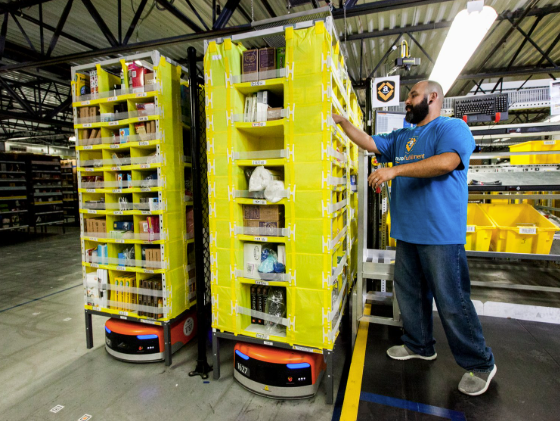
Robotics technology is transforming the landscape of automation. The integration of AI and machine learning is enabling robots to take on repetitive tasks across various industries. This shift enhances productivity and allows human workers to focus on more strategic roles. However, this advancement raises questions about workforce displacement and the need for effective reskilling programs. As the labor market evolves, the implications of these changes warrant closer examination. What will the future hold for workers in this new environment?
The Evolution of Robotics Technology in Automation
As industries increasingly embrace automation, the evolution of robotics technology has emerged as a pivotal force driving this transformation.
Robotic advancements have significantly progressed from early mechanical devices to sophisticated systems capable of complex tasks.
Historical milestones, such as the introduction of programmable robots, have laid the groundwork for modern applications, enabling enhanced efficiency and flexibility in various sectors, thereby fostering a new era of innovation.
Key Benefits of Integrating Robots Into Industries
Integrating robots into industries presents a multitude of advantages that can significantly enhance operational efficiency and productivity.
By automating repetitive tasks, businesses achieve substantial cost reduction while reallocating human resources to more strategic roles. This leads to productivity enhancement, enabling companies to respond swiftly to market demands.
Ultimately, the integration of robotics fosters innovation and competitiveness, driving growth across various sectors.
Addressing the Challenges of Workforce Displacement
While the integration of robotics into industries offers numerous benefits, it also raises significant concerns regarding workforce displacement.
To mitigate these challenges, effective workforce reskilling programs are essential, enabling workers to transition into new roles.
Additionally, fostering economic adaptation through innovative policies can help create a more resilient labor market, ensuring that individuals are equipped to thrive alongside advancing technology.
See also: Robotics in Warehouse Automation
Future Trends in Robotics and Automation Technology
With advancements in artificial intelligence and machine learning, the future of robotics and automation technology promises to revolutionize various sectors, enhancing efficiency and productivity.
Humanoid robots will increasingly interact with humans, fostering a more collaborative automation environment. This synergy not only streamlines operations but also empowers workers, granting them greater freedom to focus on creative and strategic tasks, ultimately shaping a dynamic workforce.
Conclusion
As robotics technology continues to advance, it stands at the crossroads of innovation and adaptation. The potential to elevate productivity is akin to unlocking a treasure chest of opportunities for both industries and workers alike. However, the looming specter of workforce displacement underscores the critical need for effective reskilling initiatives. Embracing this technological evolution will not only reshape the labor market but also empower individuals to thrive in a world where human creativity and robotic efficiency coexist harmoniously.