If you are considering how to microdose Ozempic, it is important to approach the process with a clear understanding of what microdosing involves and the factors that might influence your decisions. Microdosing typically means using smaller-than-standard doses to potentially manage side effects or tailor treatment more precisely, but it requires careful consideration and consultation with healthcare professionals. This article offers a practical checklist and evaluation framework to help guide your research and conversations before making informed decisions about microdosing Ozempic.
Understanding What Microdose Ozempic Means
Microdosing Ozempic refers to taking doses lower than the standard prescription amounts, often in an attempt to reduce side effects or find a personalized balance in treatment. While standard doses are well-studied in clinical trials, microdosing is less commonly established and may be considered off-label or experimental by healthcare providers. It is crucial to understand that microdosing is not universally recommended and should always be discussed with a medical professional who can evaluate your specific health situation.
Reviewing the Reasons for Considering Microdosing
People explore microdosing Ozempic for various reasons, including managing side effects like nausea or gastrointestinal discomfort, adjusting dosing schedules, or aligning treatment with sensitive health profiles. Before deciding, it is helpful to clarify your objectives:
– Are you aiming to minimize side effects?
– Do you seek a gradual adjustment period?
– Is your healthcare provider monitoring your response closely?
Clarifying your goals helps in making a more targeted decision and communicating effectively with your care team.
Evaluating Dosage Forms and Practical Administration
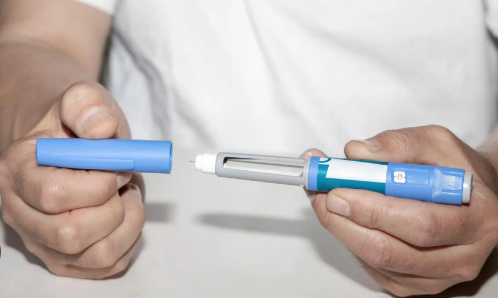
Ozempic typically comes in pre-filled pens with fixed doses. Microdosing may involve splitting doses, using partial injections, or following a tapering schedule. Assessing the practicality of microdosing includes:
– Understanding the available devices and their dosing increments.
– Knowing how to measure smaller doses accurately and safely.
– Being aware of storage and handling instructions to maintain medication integrity.
This step ensures that microdosing is feasible and manageable within your daily routine.
Considering Potential Risks and Safety Factors
While microdosing might sound appealing for reducing side effects, it is essential to remember that lower doses may affect the medication’s efficacy and how your body responds. Potential risks include:
– Suboptimal blood sugar control if used for diabetes management.
– Unpredictable effects due to insufficient dosing.
– Lack of guidance from clinical studies on microdosing protocols.
A thorough discussion with a healthcare provider can help balance these risks against potential benefits and determine appropriate monitoring.
Practical Evaluation Framework for Microdosing Ozempic
To make a well-rounded decision about microdosing Ozempic, you can use this evaluation framework:
1. Consult Your Healthcare Provider: Confirm that microdosing is safe and appropriate for your health conditions.
2. Define Clear Goals: Identify what you hope to achieve with microdosing-side effect management, gradual introduction, or another aim.
3. Assess Medication Handling: Verify that you can measure and administer microdoses accurately.
4. Monitor and Adjust: Plan for regular follow-ups to track response and adjust dosing as necessary.
5. Stay Informed: Use reputable resources for guidance, including comprehensive guides that explain microdosing practices.
For a more detailed overview of microdosing techniques and considerations, the FormBlends guide offers practical insights and information to support your decision-making process.
Short FAQ
What is the typical starting dose for Ozempic, and how does microdosing differ?
The typical starting dose is set by healthcare providers based on clinical guidelines, often beginning at higher increments than microdosing. Microdosing involves smaller doses, sometimes below those standard starting points, to mitigate side effects or adjust treatment gradually.
Is microdosing Ozempic officially approved by regulatory agencies?
Microdosing is generally not part of the approved prescribing information and may be considered off-label. It requires careful medical supervision to ensure safety and effectiveness.
How can I ensure I am measuring microdoses correctly?
Accurate dosing may require specialized syringes or devices and clear instructions from your healthcare provider or pharmacist. Avoid estimating doses without professional guidance.
Final Note
This article is intended for informational purposes only and does not replace professional medical advice, diagnosis, or treatment. Always consult your healthcare provider before making changes to your medication regimen.
What to verify before acting
Before a reader relies on any comparison about how to micro dose ozempic, the safest move is to confirm the basics directly. Check when the page was last updated, whether the criteria are explained clearly, and whether the recommendation separates facts from marketing claims. It also helps to compare total cost, access requirements, support, refund language, and any limits that could change the real-world value of an option.
The goal is not to find a perfect answer from one article. The goal is to narrow the search to a short list, understand the tradeoffs, and know which questions to ask next. That approach is slower than clicking the first result, but it usually produces a better decision and reduces the chance of being pulled in by a page that ranks well without explaining enough.