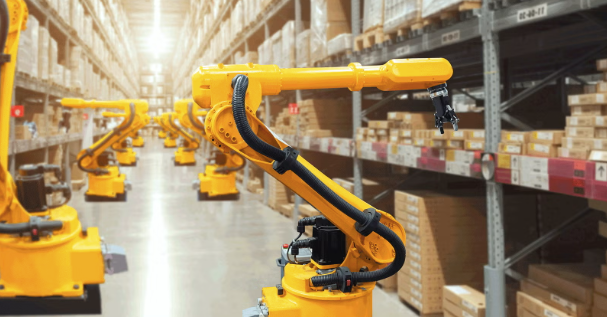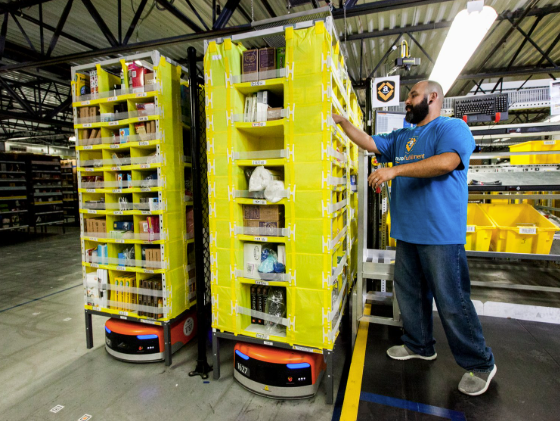
Robotics is increasingly integral to warehouse automation, reshaping logistics operations through enhanced efficiency and accuracy. Automated systems significantly improve inventory management, allowing for precise tracking and expedited order fulfillment. However, the integration of these technologies poses challenges, including compatibility with existing systems and potential workforce pushback. Understanding these dynamics is crucial, as the future of logistics may hinge on how organizations navigate these complexities and leverage robotic solutions effectively.
How Robotics Is Transforming Warehouse Operations
Robotics is revolutionizing warehouse operations by enhancing efficiency and accuracy in logistics processes.
The integration of robotic systems significantly improves inventory management through precise tracking and automated restocking. This robotic efficiency minimizes human error, optimizes space utilization, and accelerates order fulfillment.
As a result, logistics workflows become more streamlined, enabling organizations to respond promptly to market demands while maintaining operational flexibility.
Key Benefits of Implementing Robotic Solutions
While organizations increasingly adopt robotic solutions, the key benefits manifest in several critical areas of warehouse management.
These solutions facilitate significant cost savings through reduced labor expenses and optimized resource allocation.
Furthermore, enhanced operational efficiency is achieved via improved accuracy and faster processing times, ultimately leading to increased throughput.
The integration of robotics empowers organizations to streamline operations, ensuring competitiveness in a dynamic market.
Common Challenges in Adopting Warehouse Robotics?
Although the benefits of warehouse robotics are well-documented, several common challenges hinder organizations from fully integrating these technologies.
Integration hurdles often arise from legacy systems and the complexity of existing workflows.
Additionally, workforce resistance may impede acceptance, as employees fear job displacement or lack trust in robotic systems.
Addressing these challenges is crucial for successful deployment and optimization of warehouse automation solutions.
See also: knowledgearrowcom
Future Trends in Warehouse Automation Technology
As organizations confront the challenges of adopting warehouse robotics, the landscape of automation technology continues to evolve rapidly.
Future trends indicate a significant rise in the utilization of autonomous drones for inventory management and delivery, enhancing operational efficiency.
Additionally, advancements in robotic sorting systems promise to streamline order fulfillment processes, reducing human error and increasing throughput, thereby revolutionizing warehouse logistics.
Conclusion
In conclusion, robotics is the cornerstone upon which the future of warehouse operations is being constructed. As organizations adopt these automated systems, they not only streamline processes but also cultivate a competitive advantage in an ever-evolving market landscape. However, the journey is not without obstacles, as the integration of new technologies and workforce adaptation pose significant challenges. Ultimately, those who embrace this evolution will navigate the logistics landscape with the precision of a well-oiled machine, ensuring sustained growth and efficiency.