Robotics has transformed warehouse and logistics automation, driving significant advancements in efficiency and accuracy. The deployment of autonomous mobile robots and robotic arms has redefined inventory management and minimized human error. Furthermore, emerging technologies like AI-driven drones and robotic sorting systems promise to enhance order fulfillment processes. However, the path to widespread adoption is fraught with challenges that demand careful consideration. Understanding these dynamics is crucial for businesses aiming to stay competitive in an evolving landscape.
Understanding Robotics in Warehouse Automation
As warehouse operations increasingly demand efficiency and accuracy, understanding the role of robotics in automation becomes essential.
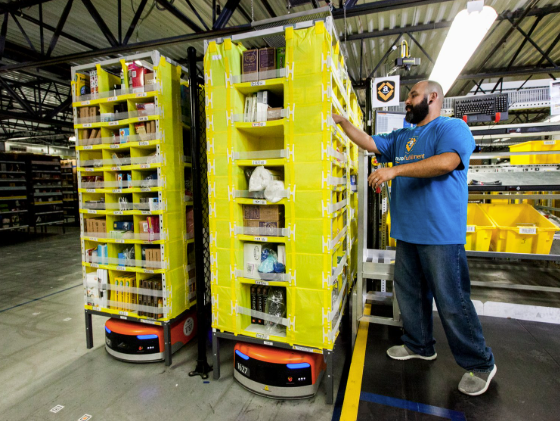
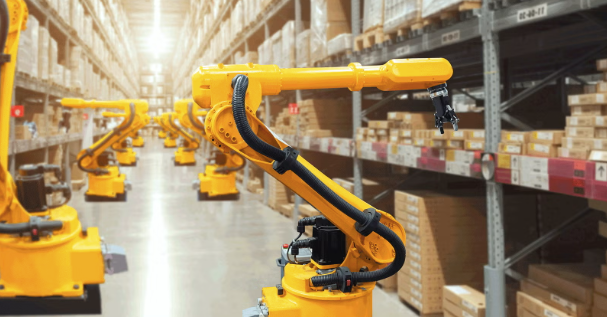
Various robot types, such as autonomous mobile robots and robotic arms, integrate seamlessly into sophisticated automation systems. These systems enhance operational workflows by optimizing inventory management, streamlining sorting processes, and reducing human error.
A thorough grasp of these technologies is vital for organizations seeking competitive advantage in logistics.
Key Benefits of Implementing Robotics in Logistics
The implementation of robotics in logistics presents numerous advantages that significantly enhance operational efficiency.
Key benefits include cost reduction through minimized labor and operational expenses, alongside efficiency improvement via optimized workflows and faster processing times.
Automated systems reduce human error and improve inventory accuracy, creating a streamlined environment that empowers businesses to adapt swiftly to market demands while maintaining high standards of productivity.
See also : knowledgearrowcom
Innovations Shaping the Future of Warehouse Robotics
While advancements in technology continue to reshape various industries, warehouse robotics stands at the forefront of innovation, driven by developments in artificial intelligence, machine learning, and automation.
Autonomous drones enhance inventory management, allowing real-time tracking and efficient transportation.
Meanwhile, robotic sorting systems optimize order fulfillment, reducing human error and increasing throughput, ultimately transforming operational efficiency within the logistics landscape.
Challenges and Considerations for Robotics Adoption in Supply Chains
How do organizations navigate the complexities of integrating robotics into their supply chains? They must carefully evaluate cost considerations, ensuring ROI aligns with operational goals.
Additionally, workforce integration poses significant challenges, as existing personnel may require retraining or adaptation to new technologies.
Striking a balance between automation and human roles is crucial for fostering a collaborative environment that maximizes efficiency while maintaining employee satisfaction.
Conclusion
In the evolving landscape of warehouse and logistics automation, robotics presents a compelling dichotomy: the promise of unparalleled efficiency versus the complexities of workforce integration. While autonomous systems revolutionize inventory management and order fulfillment, the challenge of retraining personnel looms large. As businesses weigh the immediate benefits of cost reduction against the long-term investment in human capital, the path forward will require a delicate balance between technological advancement and workforce adaptability, ensuring a harmonious coexistence in supply chain operations.